The Essence of Sri Lankan Traditional Spices
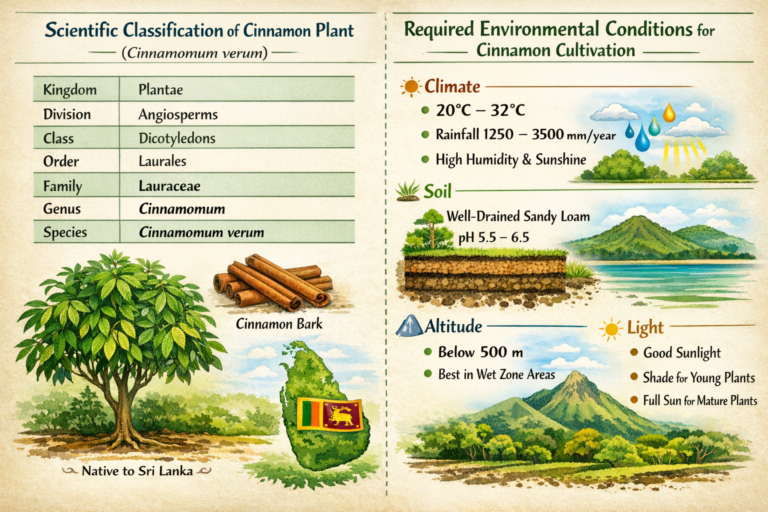
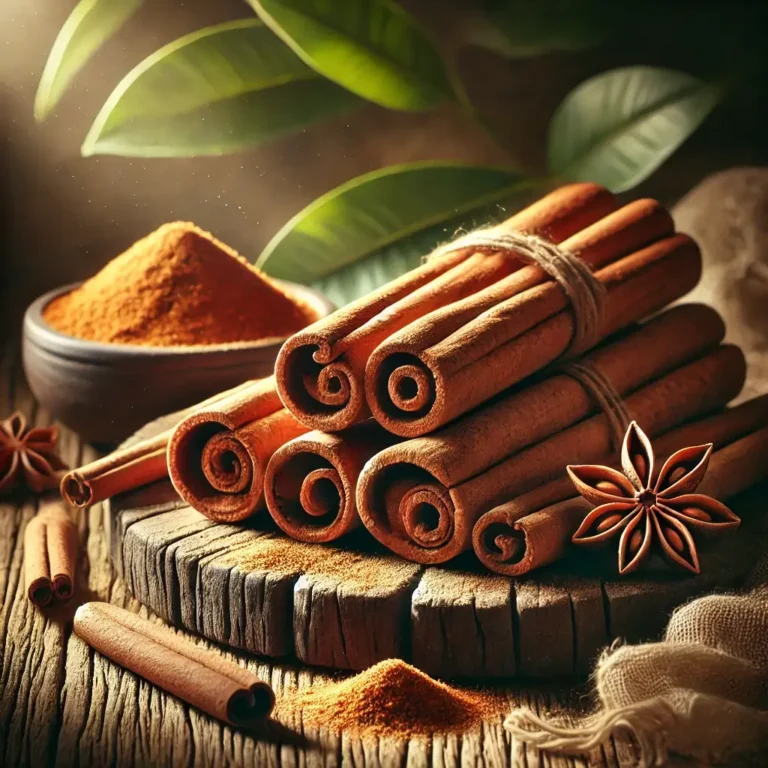
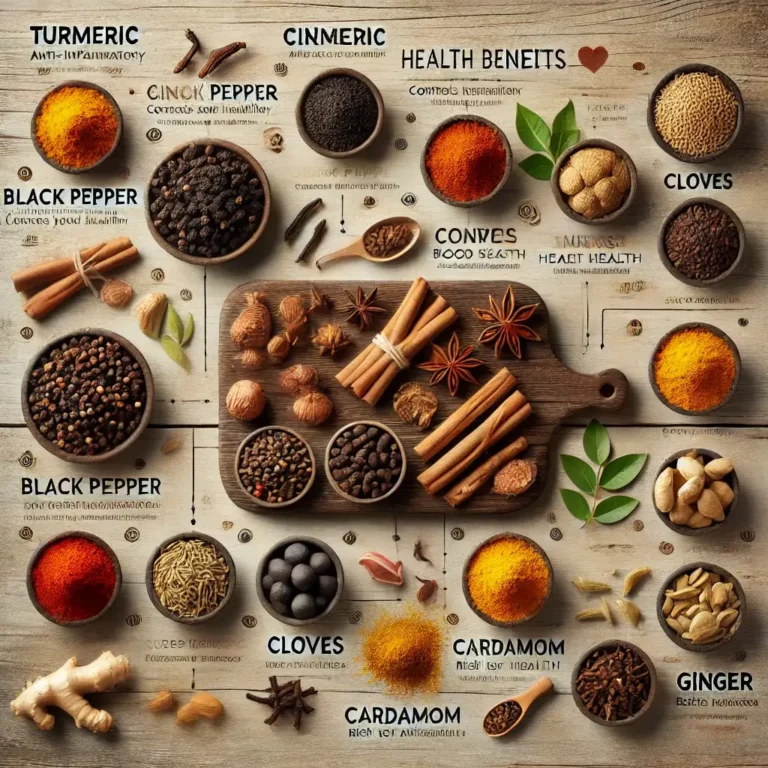
Sri Lanka, often known as the “Spice Island,” is world-famous for its unique and authentic spices that have shaped global cuisine for centuries. From the delicate sweetness of Ceylon cinnamon to the bold richness of black pepper, cardamom, cloves, and nutmeg, every spice grown in Sri Lanka carries the essence of the island’s fertile soil and tropical climate. These precious ingredients are not just about taste—they represent a deep cultural and historical identity that continues to thrive in Sri Lankan kitchens today.
The history of Sri Lankan spices spans more than 2,000 years. Ancient traders from Arabia, China, and Rome once journeyed across oceans to exchange gold and silk for the island’s prized cinnamon and pepper. Later, colonial powers—Portuguese, Dutch, and British—fought fiercely to control Sri Lanka’s spice trade, recognizing its global value. Through these centuries of trade and transformation, Sri Lanka earned its lasting reputation as a source of the world’s most authentic spices.
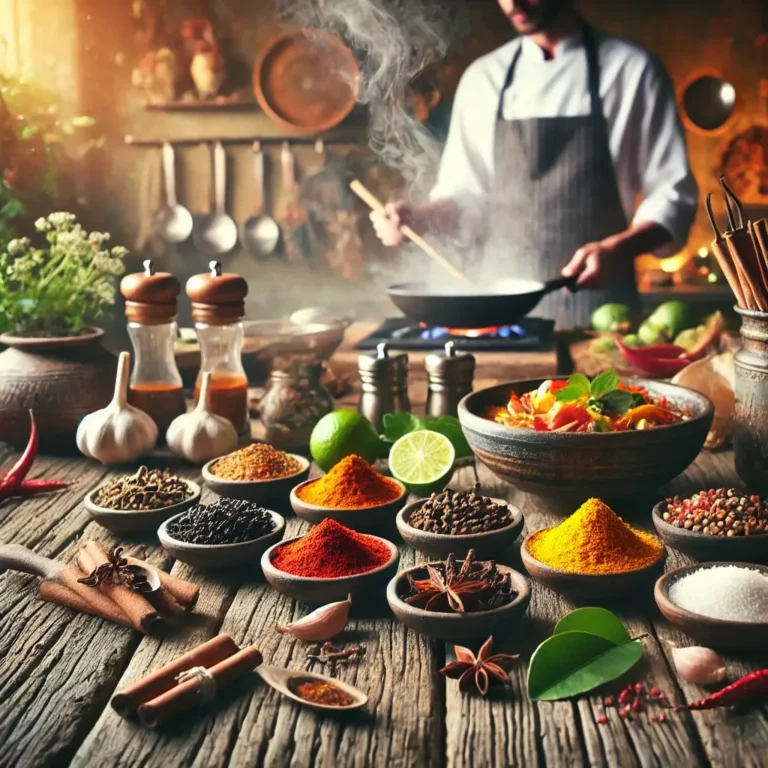
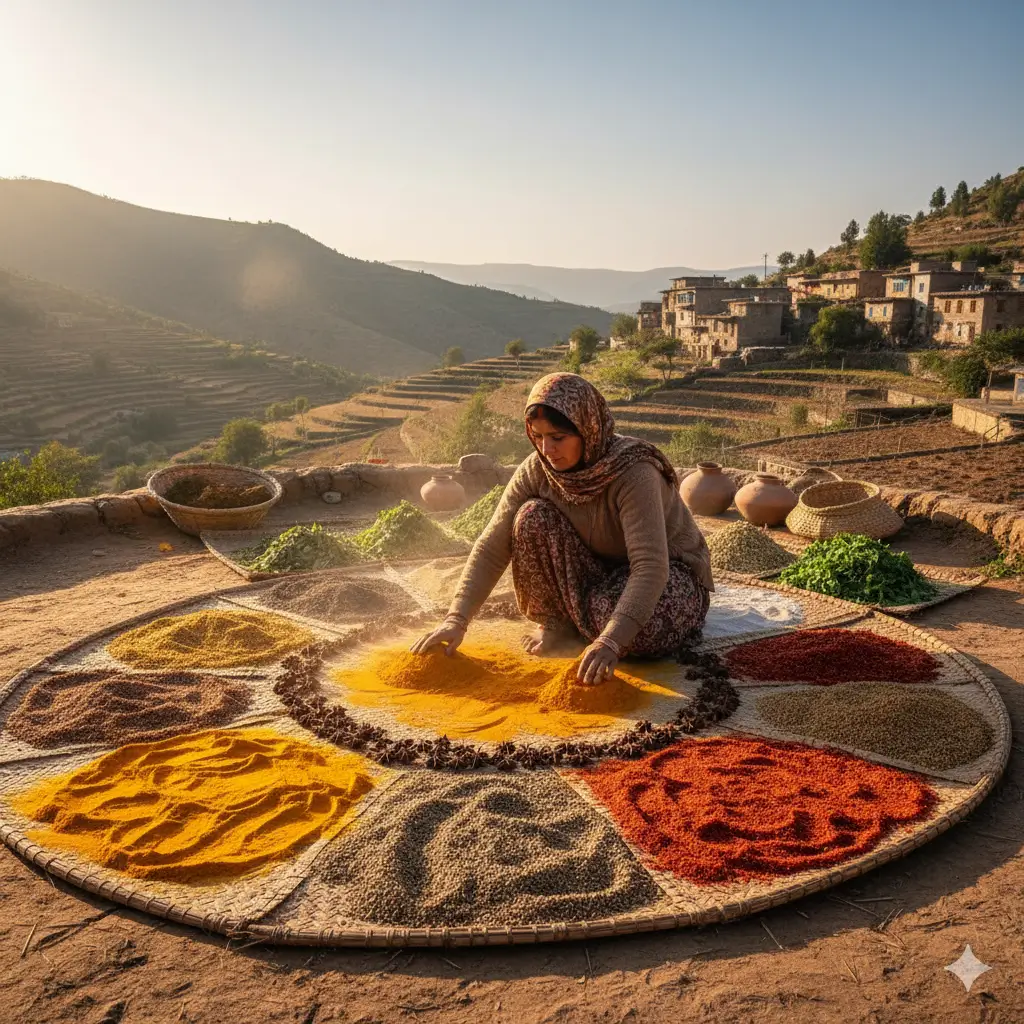
Today, traditional spice farming still follows time-honored methods—handpicking, sun-drying, and stone-grinding—to preserve the natural aroma, flavor, and health benefits. These spices are the heart of Sri Lankan cuisine, adding depth and color to curries, teas, and sweets while also playing a key role in Ayurvedic healing.
Whether you’re a chef, traveler, or food lover, discovering Sri Lankan traditional spices is like tasting history itself—rich, vibrant, and unforgettable. They embody not only flavor but also the timeless heritage of a nation celebrated for its warmth, authenticity, and culinary artistry.