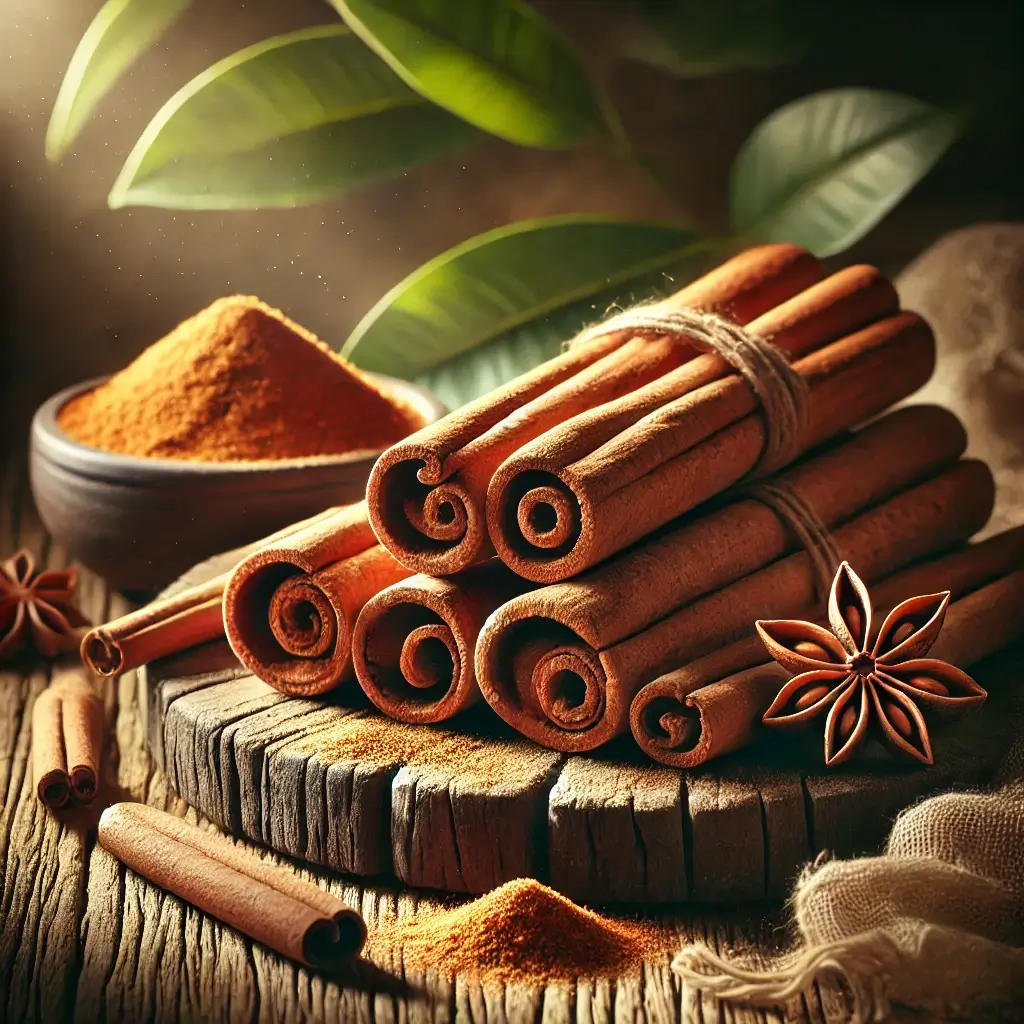
Ceylon Cinnamon – The True Spice Treasure of Sri Lanka
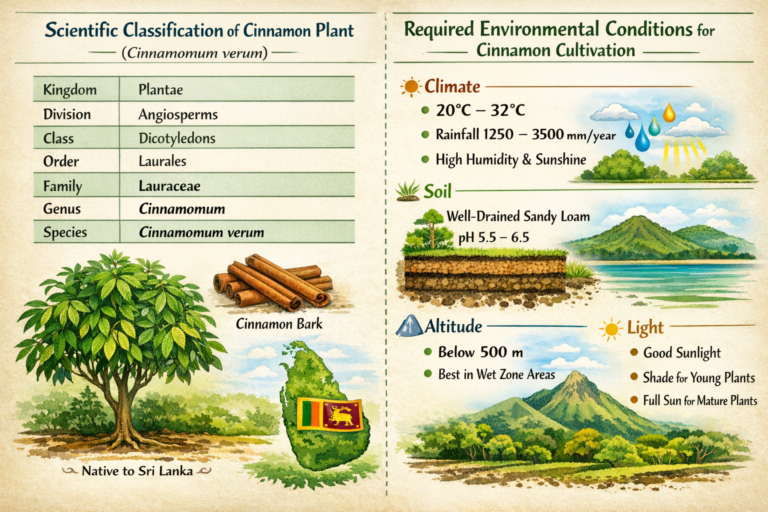
Cinnamon, one of the oldest and most treasured spices, belongs to the Lauraceae family and the Cinnamomum genus. True cinnamon, scientifically known as Cinnamomum zeylanicum Blume or Cinnamomum verum Presl, is native exclusively to Sri Lanka. Its delicate sweetness, smooth texture, and warm aroma have made it a globally celebrated spice, prized in both cuisine and traditional wellness practices.
Sri Lanka’s central hill regions are the birthplace of cinnamon. Natural trees in Kandy, Matale, Nuwara Eliya, Haputale, and Sinharaja, along with unique wild varieties, attest to its ancient origins. Cinnamon thrives from sea level up to about 700 meters, with the southern regions of Sri Lanka now hosting the main cultivation and processing industry.
The island is also known for its artisanal method of harvesting cinnamon. Bark is hand-peeled and shaped into the famous “cinnamon quills,” a process passed down through generations. This meticulous preparation preserves its purity, aroma, and oils, making Ceylon Cinnamon the world’s highest-quality cinnamon.
Globally, two main types of cinnamon exist: Ceylon Cinnamon from Sri Lanka and Cassia Cinnamon from Indonesia, China, and Vietnam. Cassia has a stronger, spicier flavor and thicker bark, making it cheaper and widely used in industrial food production. However, its higher coumarin content and lower quality make it less suitable for regular consumption.
Ceylon Cinnamon stands out for its subtle flavor, gentle sweetness, and refined aroma. Naturally low in coumarin, it is safe for daily use and offers health benefits such as supporting digestion, blood sugar control, and overall wellness.
Today, Sri Lanka supplies over 80% of the world’s true cinnamon, earning its reputation as the global home of this golden spice. More than a flavoring, Ceylon Cinnamon embodies the island’s heritage, craftsmanship, and dedication to purity, aroma, and health—a true treasure from the heart of the Spice Island.
Stay tuned for more details about cinnamon in our upcoming blogs.